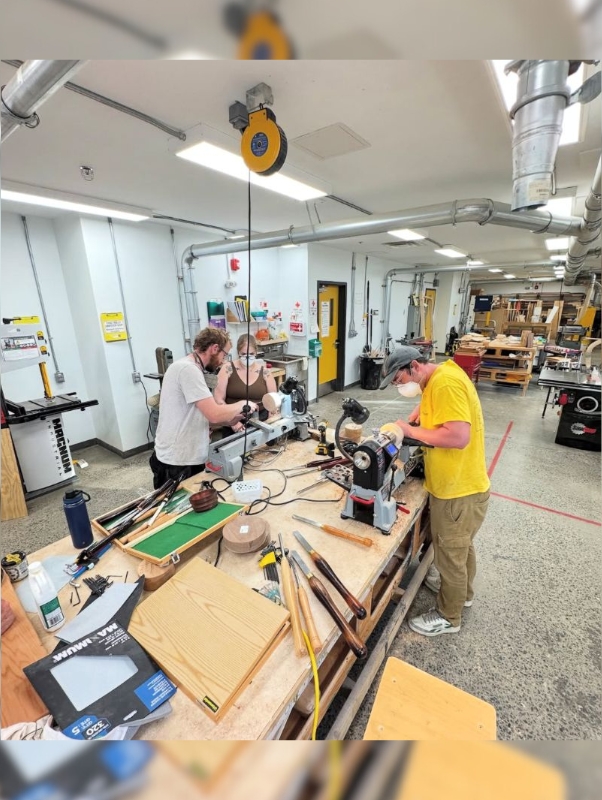
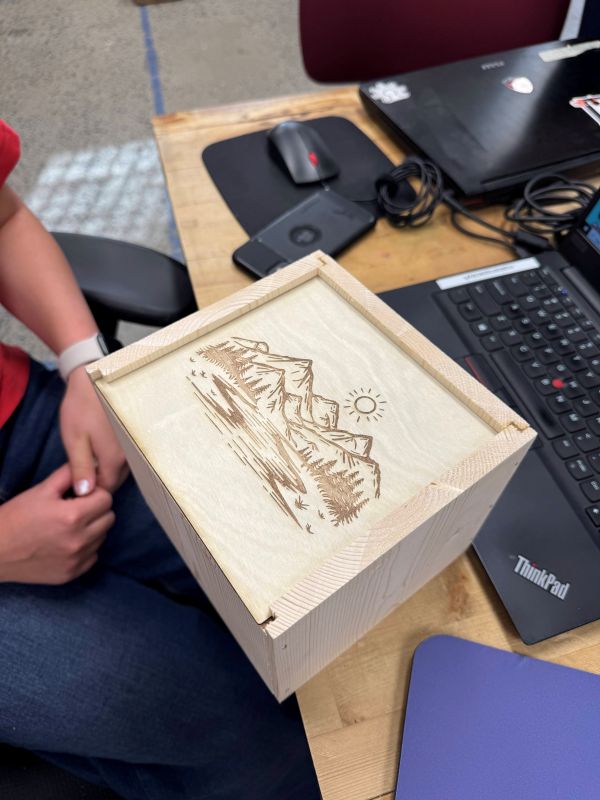
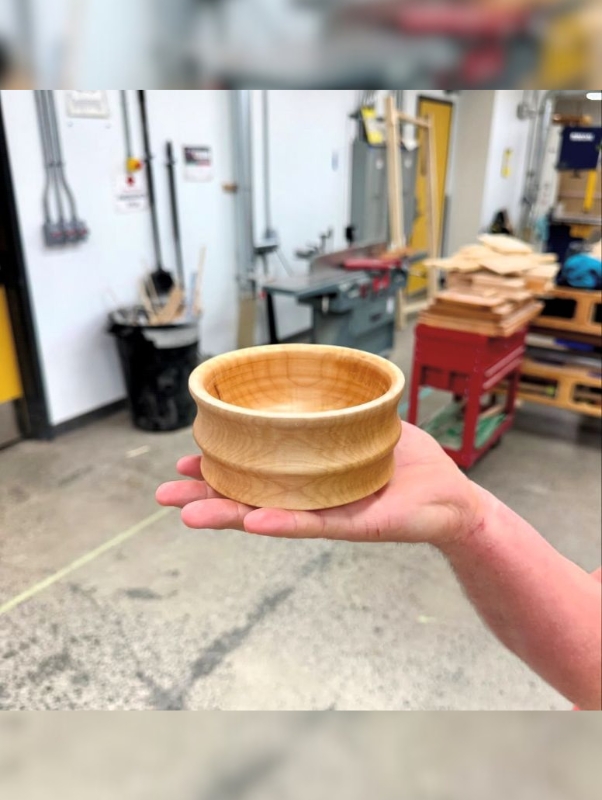
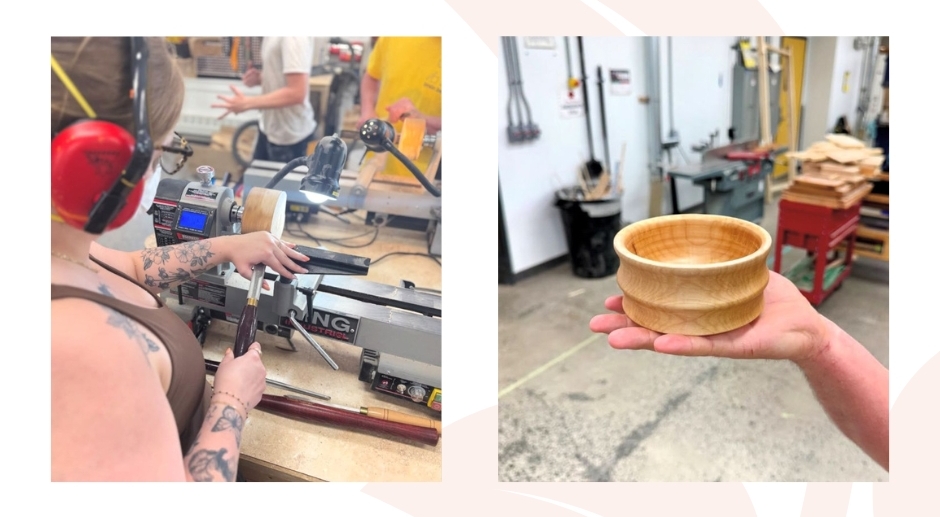
In 2024/25, the Yellowknife Community Fund issued a grant to the Shop Skills Development Initiative, a project of Makerspace YK, implemented over that summer.
As an organization, Makerspace is all about reducing barriers. They offer shared workspaces, knowledge, and tools that many of us do not have access to on our own. That ethos of access came through in the skills initiative, and perfectly reflects what the nonprofit means to the community overall.
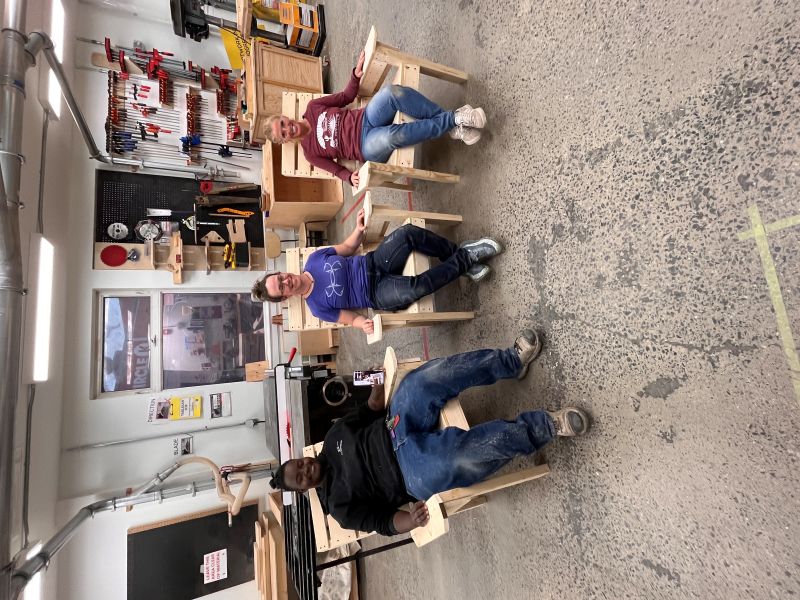
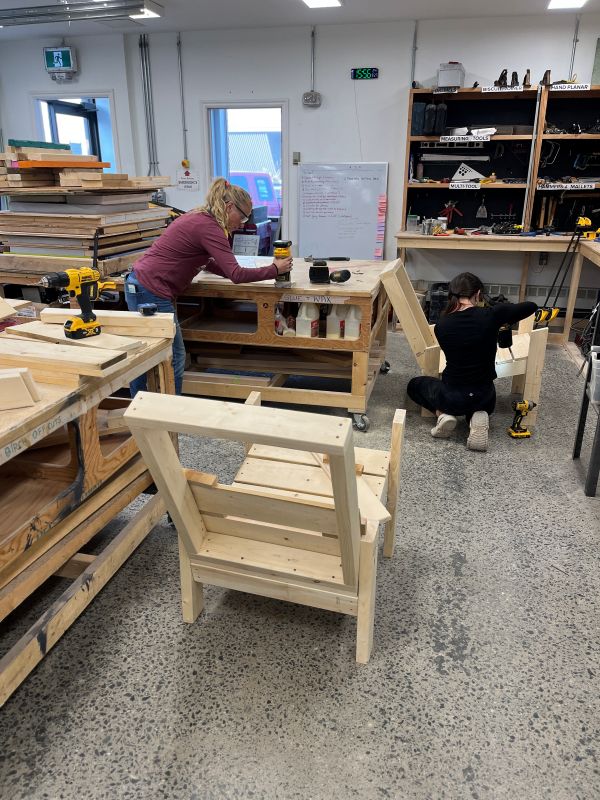
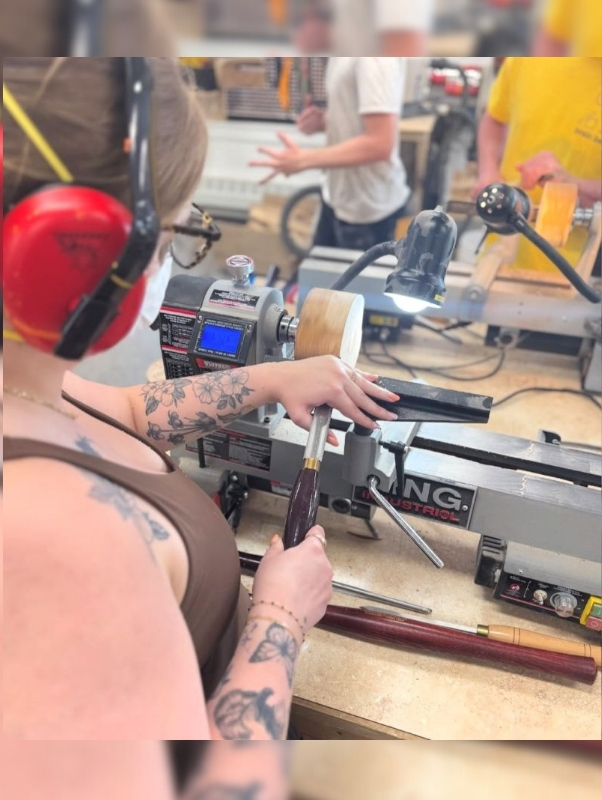
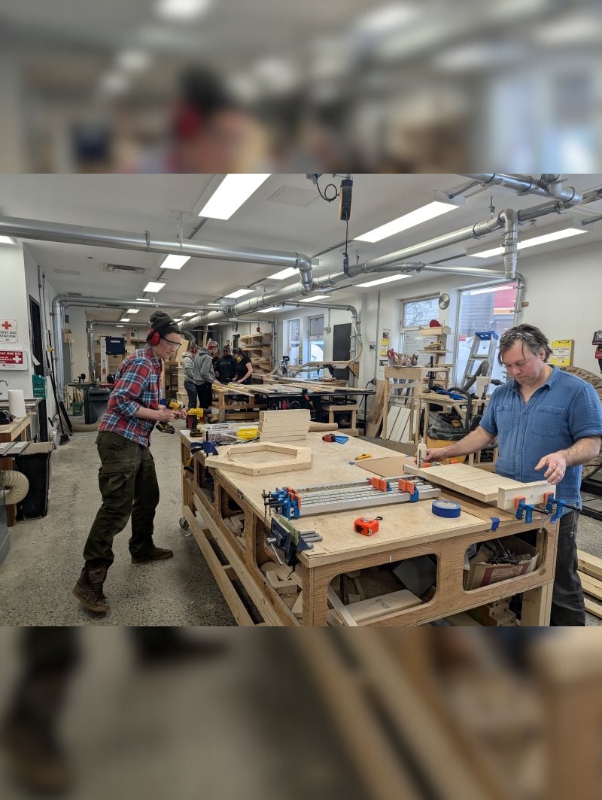
The basic idea was to expand their available Woodshop and Trades programming, and it grew in every sense: number, type, structure… The end product was a mix of one-off classes and multi-week workshops.
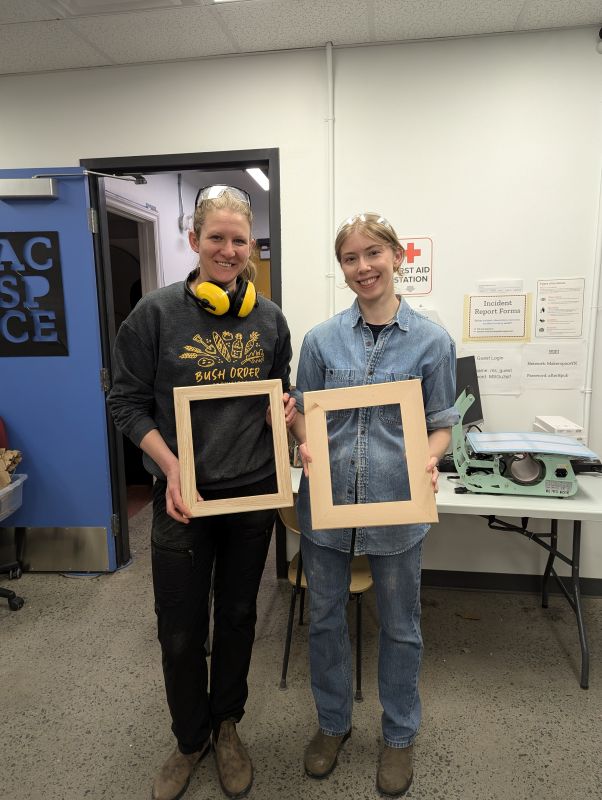
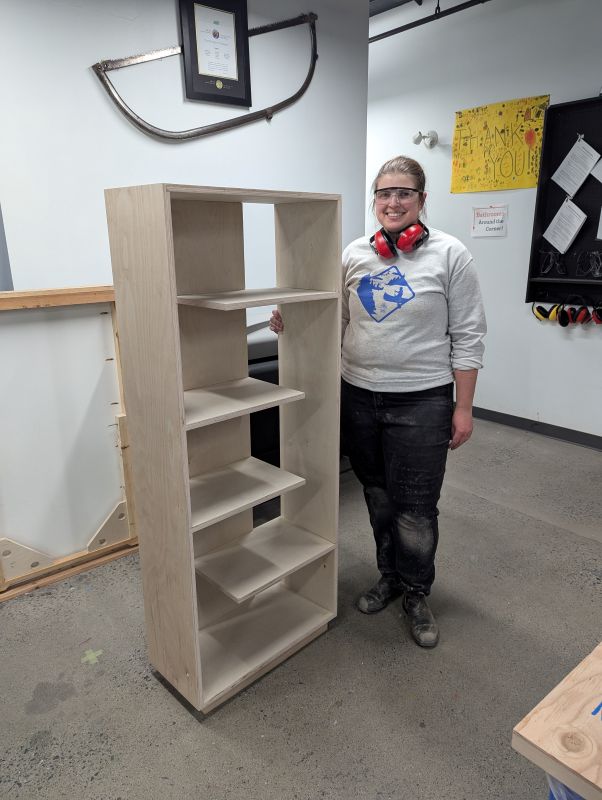
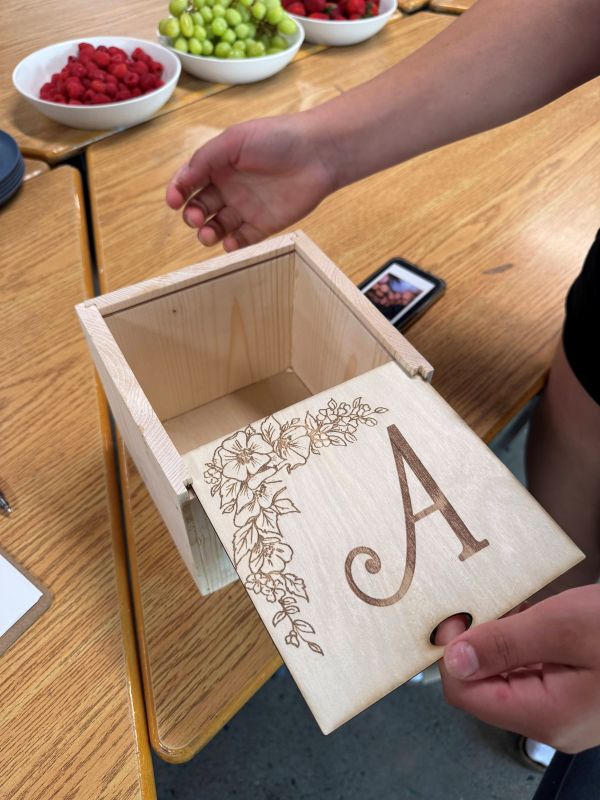
The longer courses allowed beginners to literally build confidence through a series of projects. With each session, you could see your skills manifest into completed objects. Participants came away with a foundation of skill and comfort, which empowered them to return to the space and continue to create on their own.
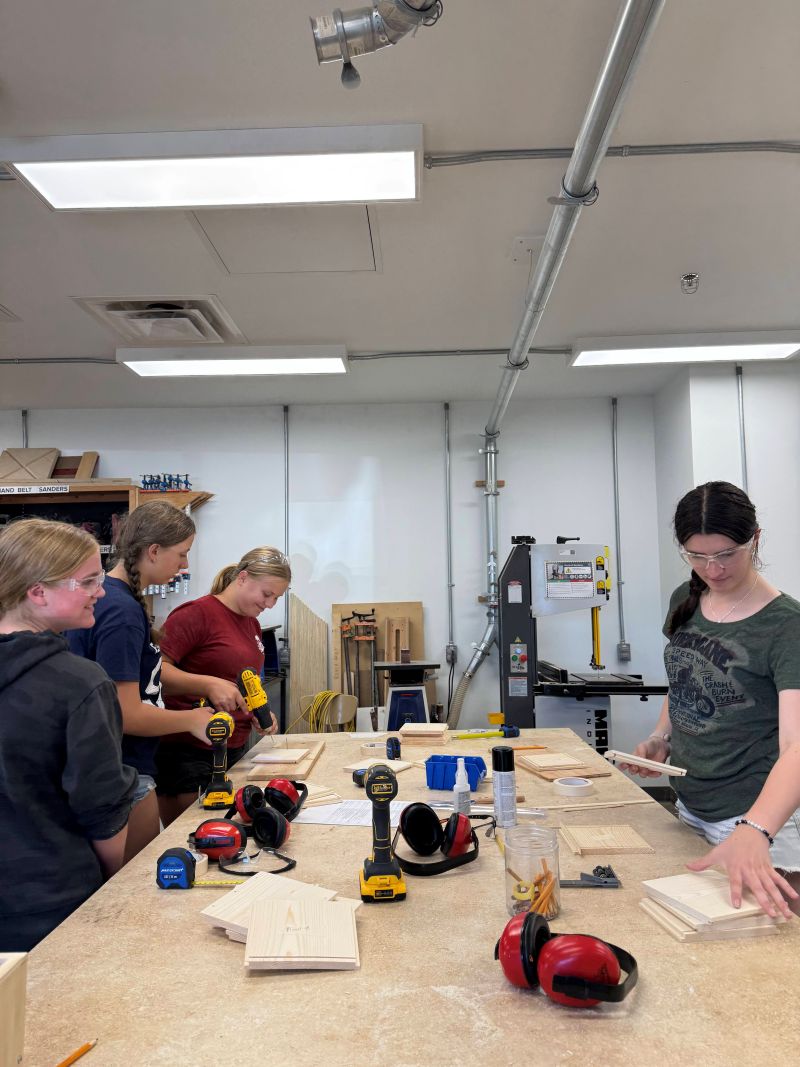
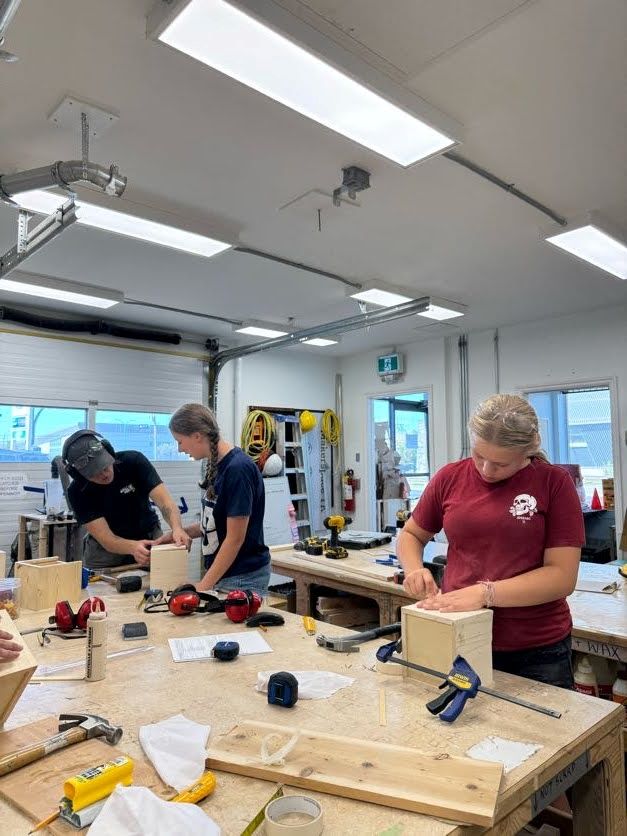
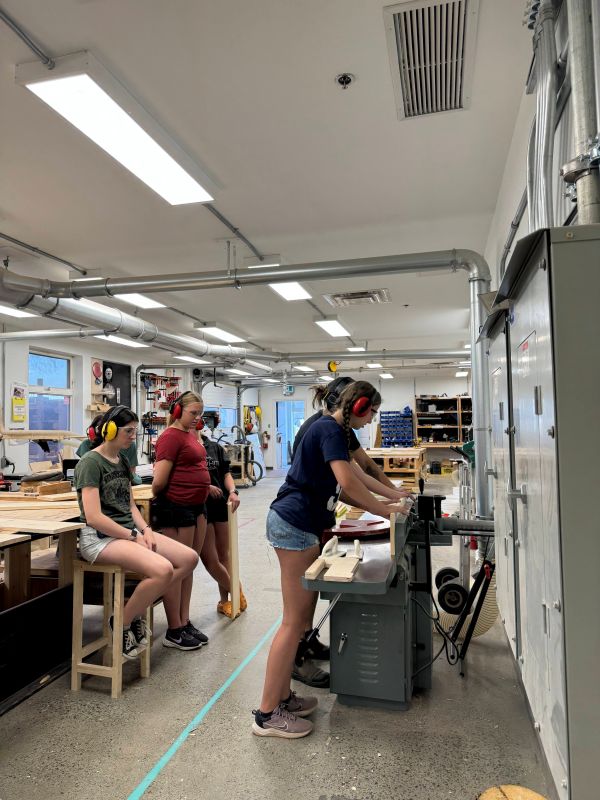
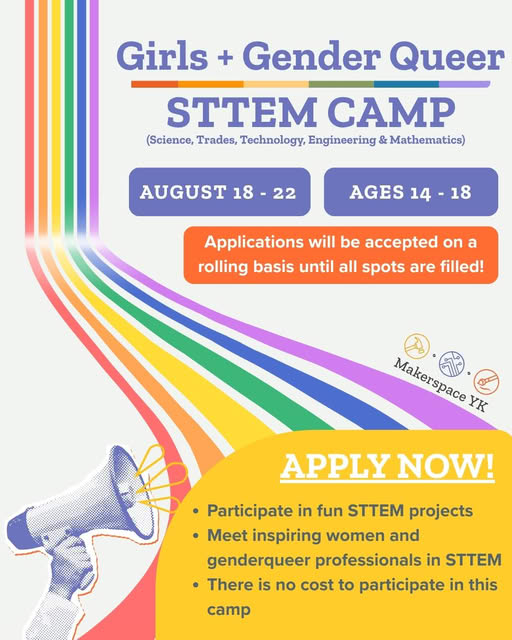
Beyond beginner makers, the initiative also focused on the inclusion of youth, women, and gender-diverse participants. The standout highlight was their youth STTEM Camp, which included an entire day just in the Woodshop.
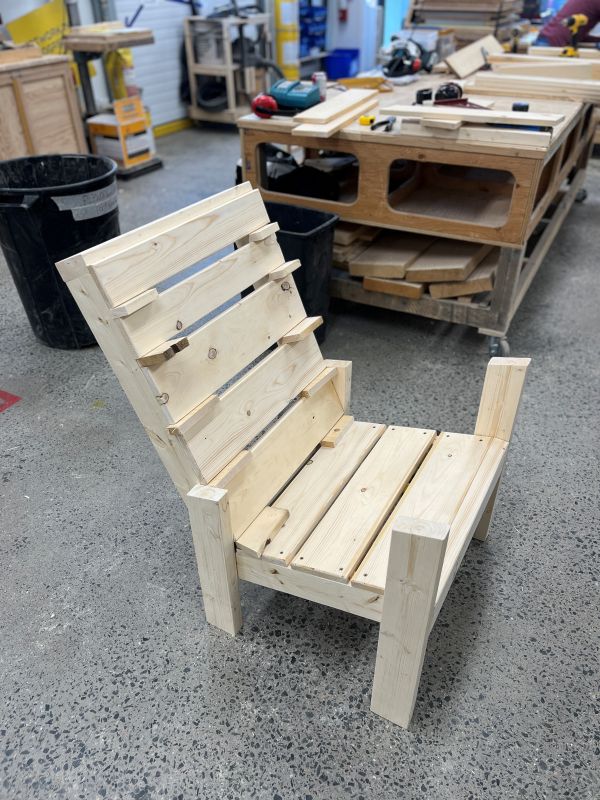
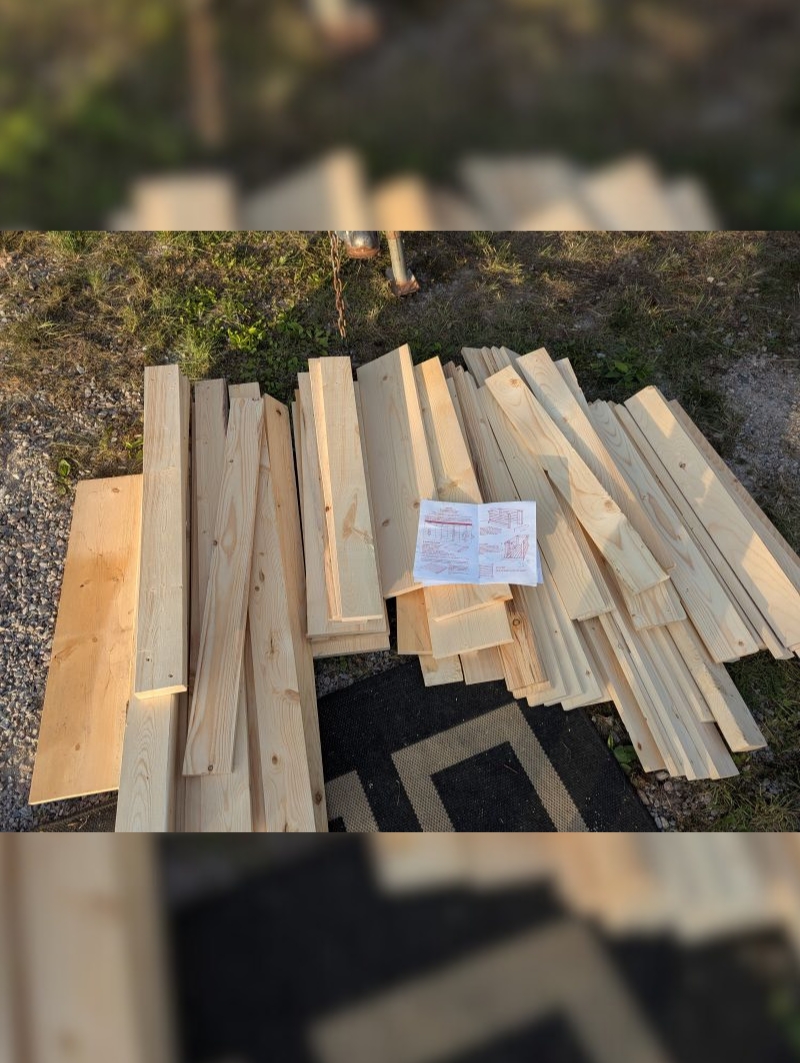
Through the Yellowknife Community Fund, Makerspace was able to hire multiple instructors and draw from their different skillsets. As a result of this increased capacity, the initiative saw over one hundred and fifty different makers partake in ten new workshops, including: “Building with 2x4s”, “Techniques and Confidence”, and the “Raised Planter Bed” workshop.
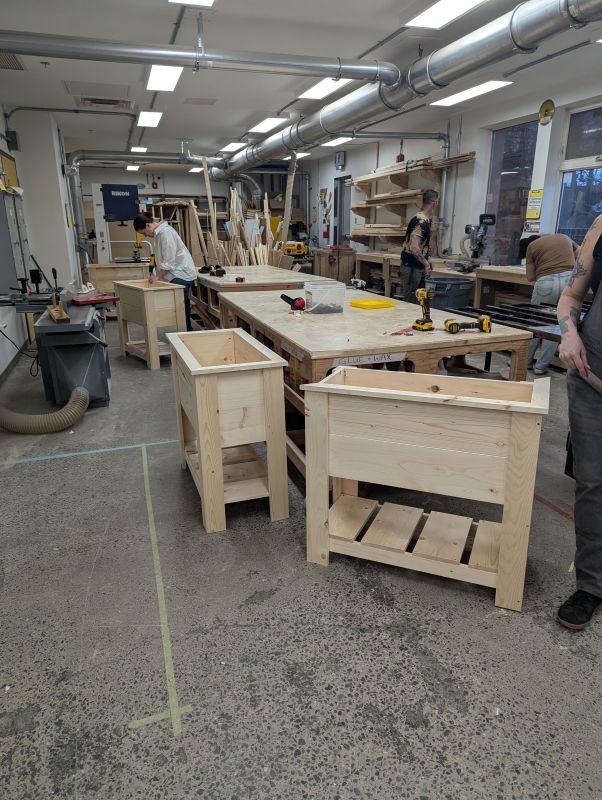
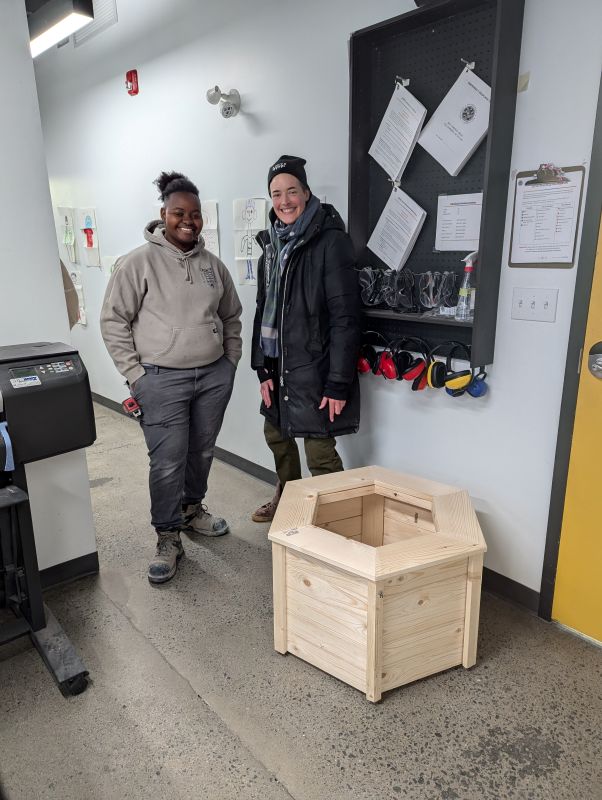
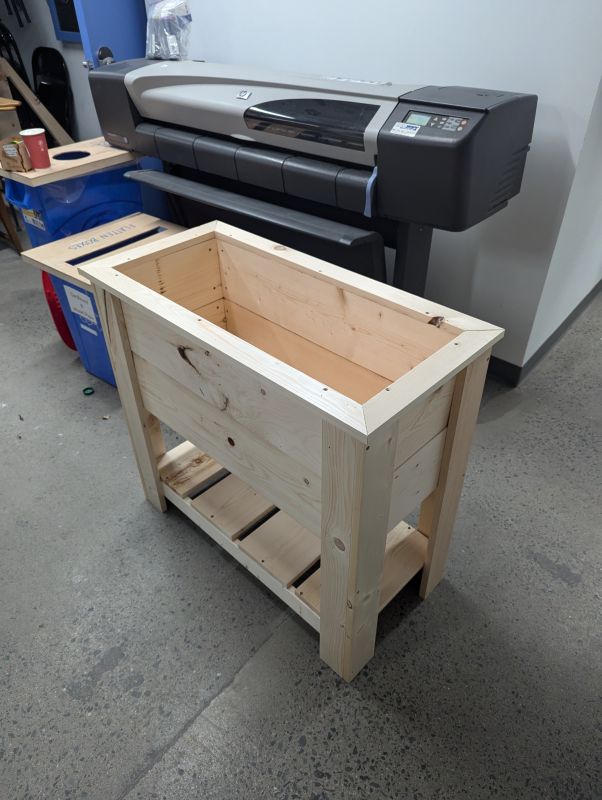
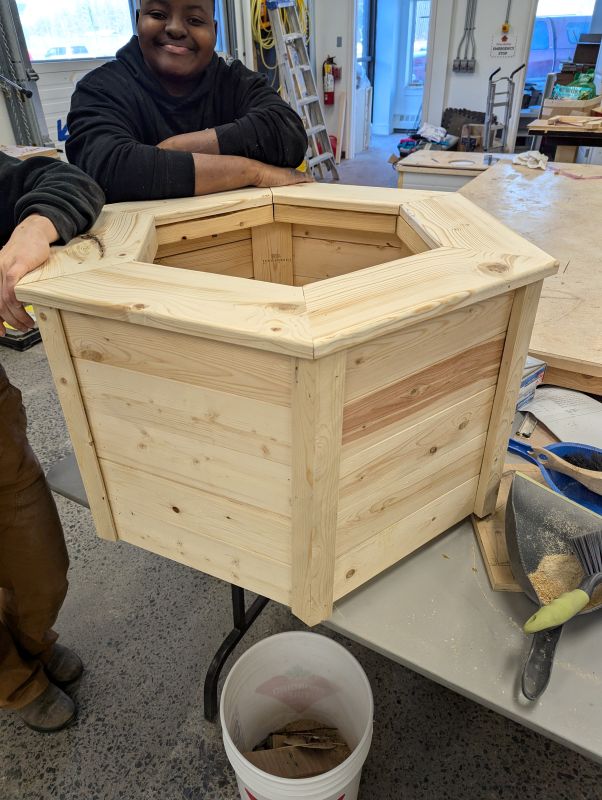
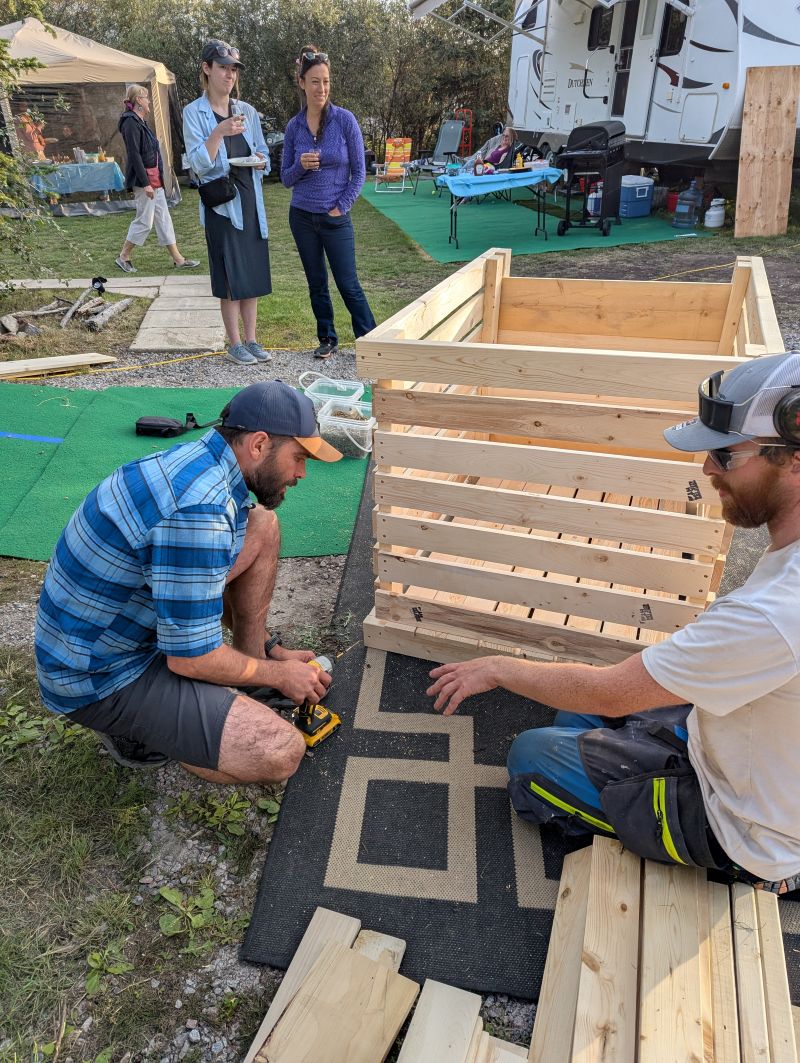
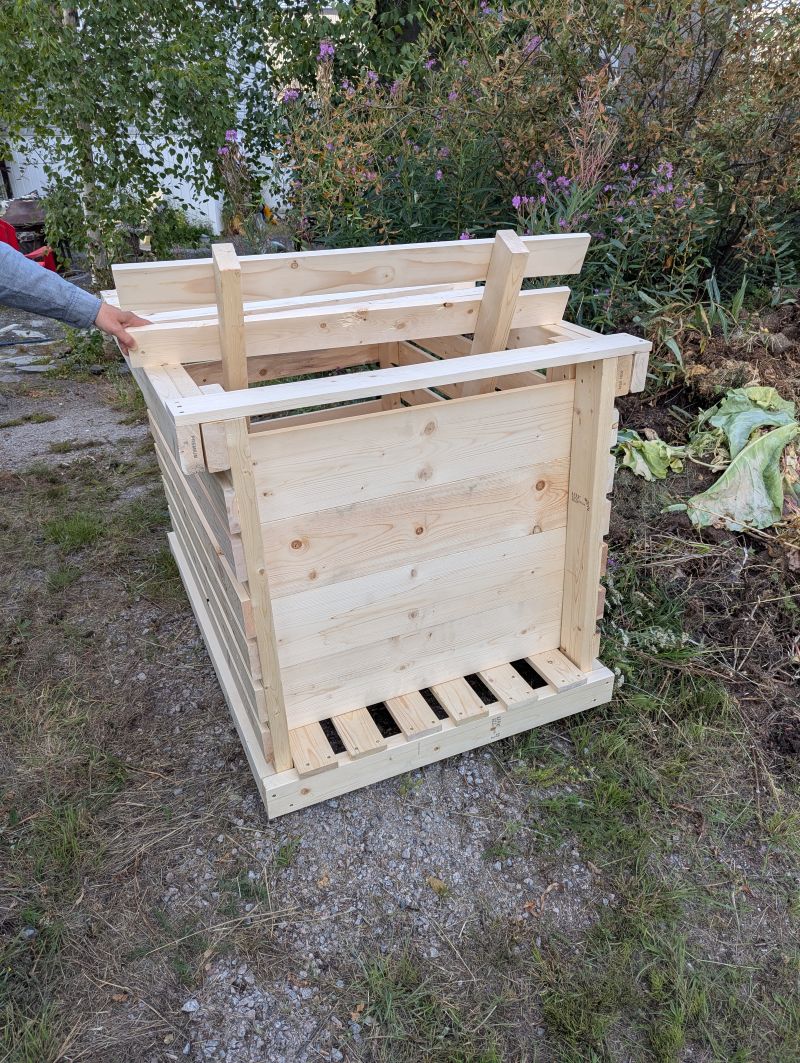
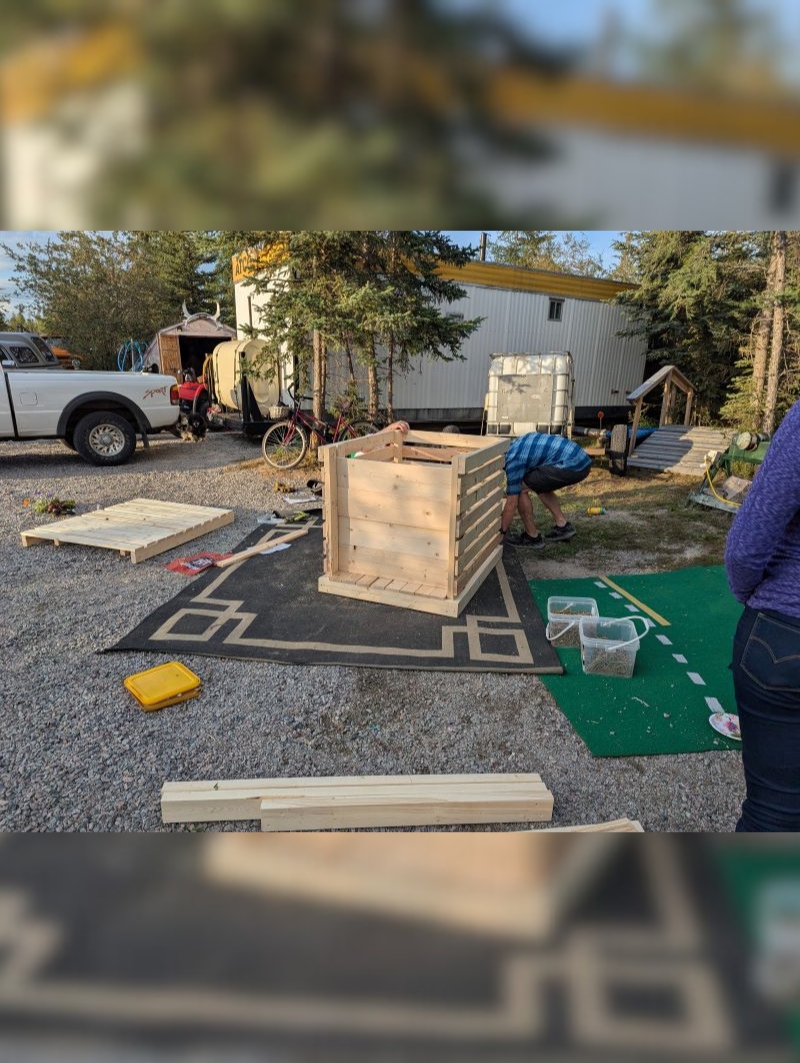
This last program was so successful, it literally produced a successor workshop in collaboration with Northern Roots, a market gardening and food education enterprise. Learning directly from a Red Seal carpenter, budding students became bona fide makers. The participants created fifteen planters for a community garden downtown, as well as some composters for Northern Roots’ new gardening site.
One student went from having zero experience with tools to designing and building two planters by themselves. As if that weren’t reward enough, everyone got to eat delicious locally-produced from the very garden they had been working in.
If you are pursuing post-secondary studies or a trades education in any field, apply now! There are more scholarships available than ever before, and applying is easy.