
February 11, 2026
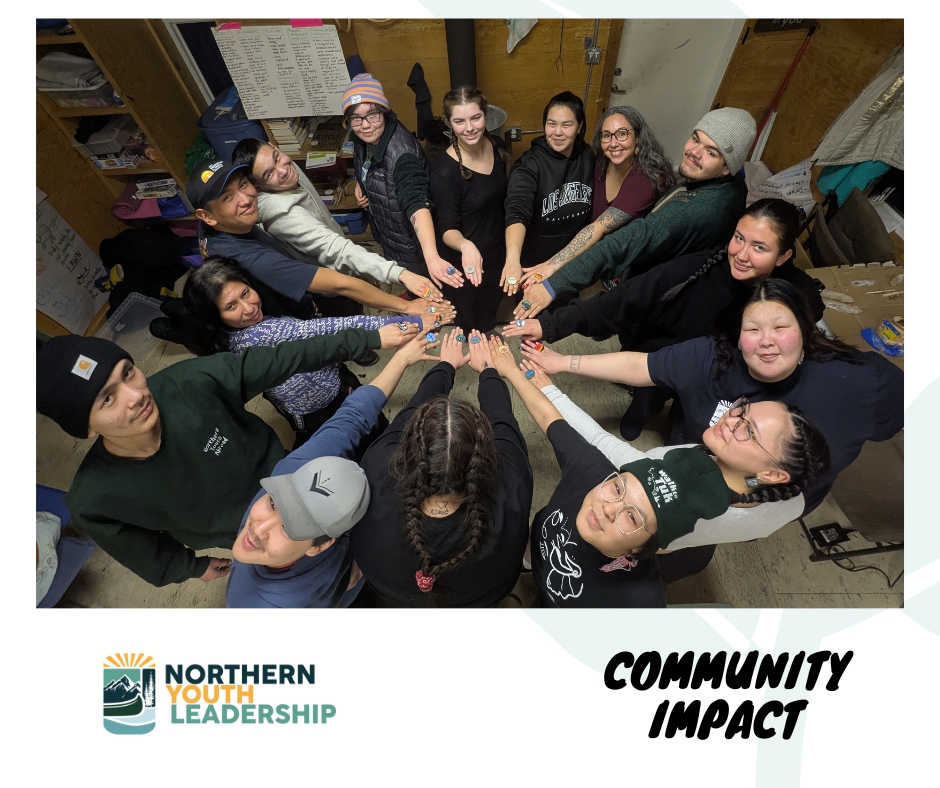
The Maureen Tonge ‘Living Your Legacy’ Fund supports mental health and wellness initiatives for youth in the Northwest Territories. Last year, the fund issued a grant to Northern Youth Leadership and their forum, Connecting on the Land in Denendeh (COLD). From February 9th-16th, 2025, the camp gave Indigenous youth a culturally-grounded space to grieve, heal, and develop resilience in the face of climate change and its effects on the land. As a gathering of leaders, COLD was highly successful in assembling several partner organizations and individuals from across the North to participate. Together, they created a collaborative atmosphere of joy and trust. Laughter was a constant at the camp as they delivered thirty different sessions with storytelling and creative expression at the heart of it all. These include: In addition to the talks and demonstrations, a major part of the camp was the simple act of maintaining it. The youth made fires, set up stations, collected spruce sap, cooked meals, and participated in medicine walks. Over this time, they found different tools to process their feelings and experiences. As it turns out, the most powerful tools of all were their own voices. On the final day, the floor was given over to the youth to host their own storytelling session. Each spoke to cultural disconnection, the challenges they faced on a personal level, and a felt sense of mourning, through the creative medium of their choice. As they did so, there was a shift in tone from wavering uncertainty to steady confidence. One participant nearly didn’t present, but after gathering the courage to share, they were met with an eruption of cheers from the entire forum. As the facilitators put it, “Watching that young person beam with pride afterwards and watching the group come together to celebrate them was one of the most moving moments of the entire week. It reminded us that confidence is built through a community that uplifts and believes in you.” Many of the youth said it was the first time they truly felt heard, especially regarding these issues. The forum made sure to prioritize those from rural and remote communities, as they face barriers to mental health resources, climate education, and other programming typically available in the south. All told, the camp comprised 10+ staff and guest facilitators, 4 youth mentors, 3 Elders / Knowledge Holders, and 12 participants, who are now looking to return as facilitators themselves.